




Is Duo Training Good for Beginners?
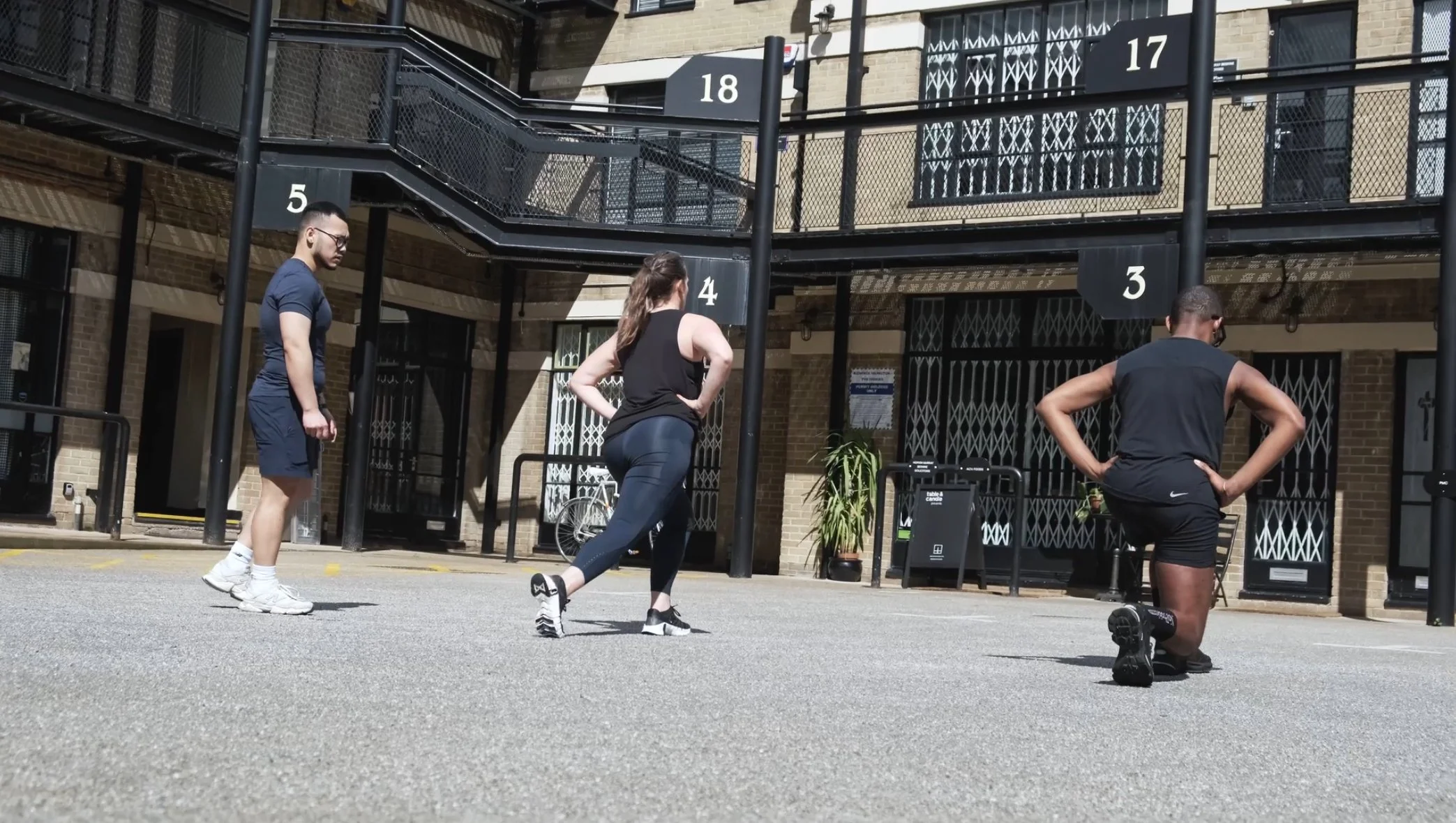
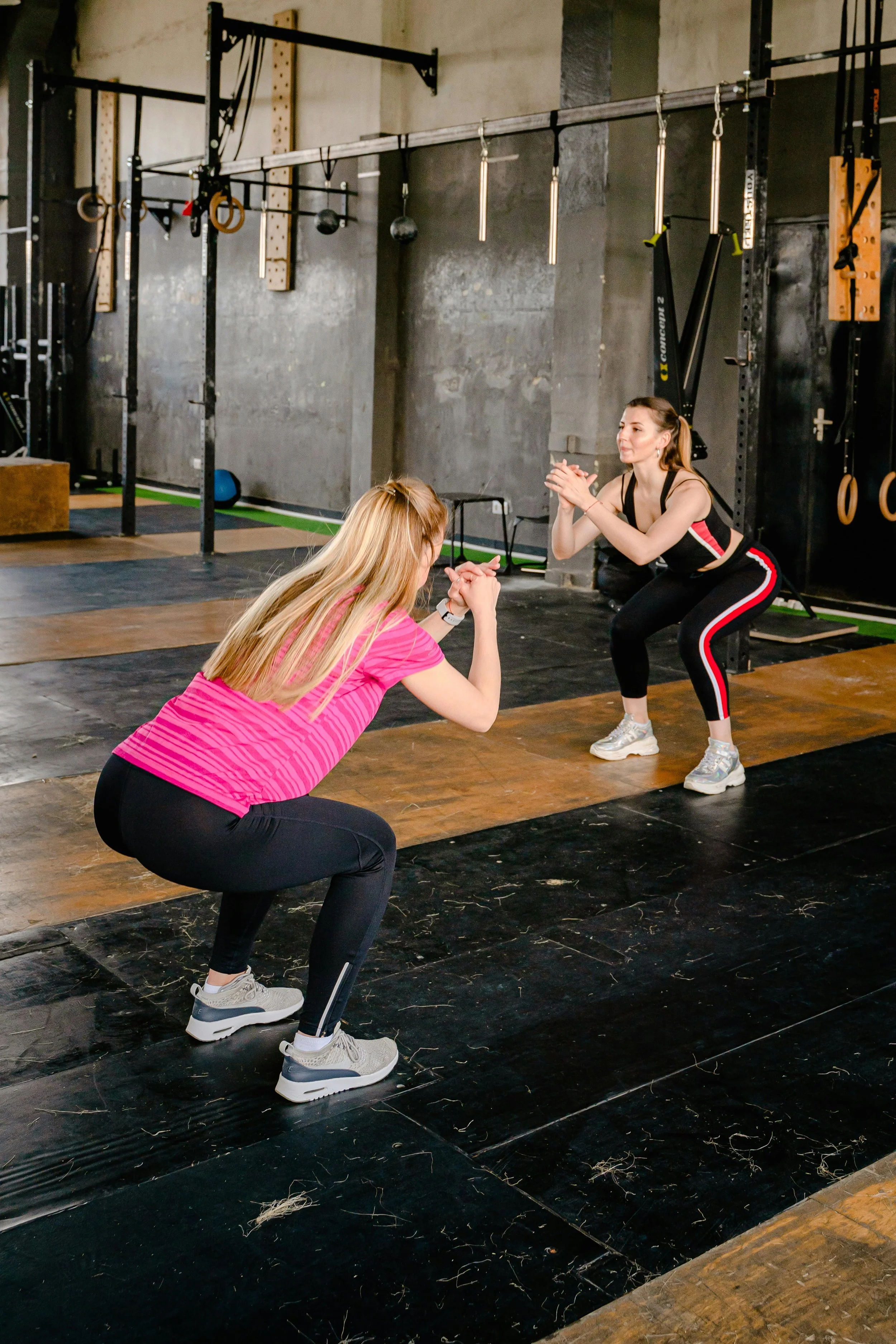
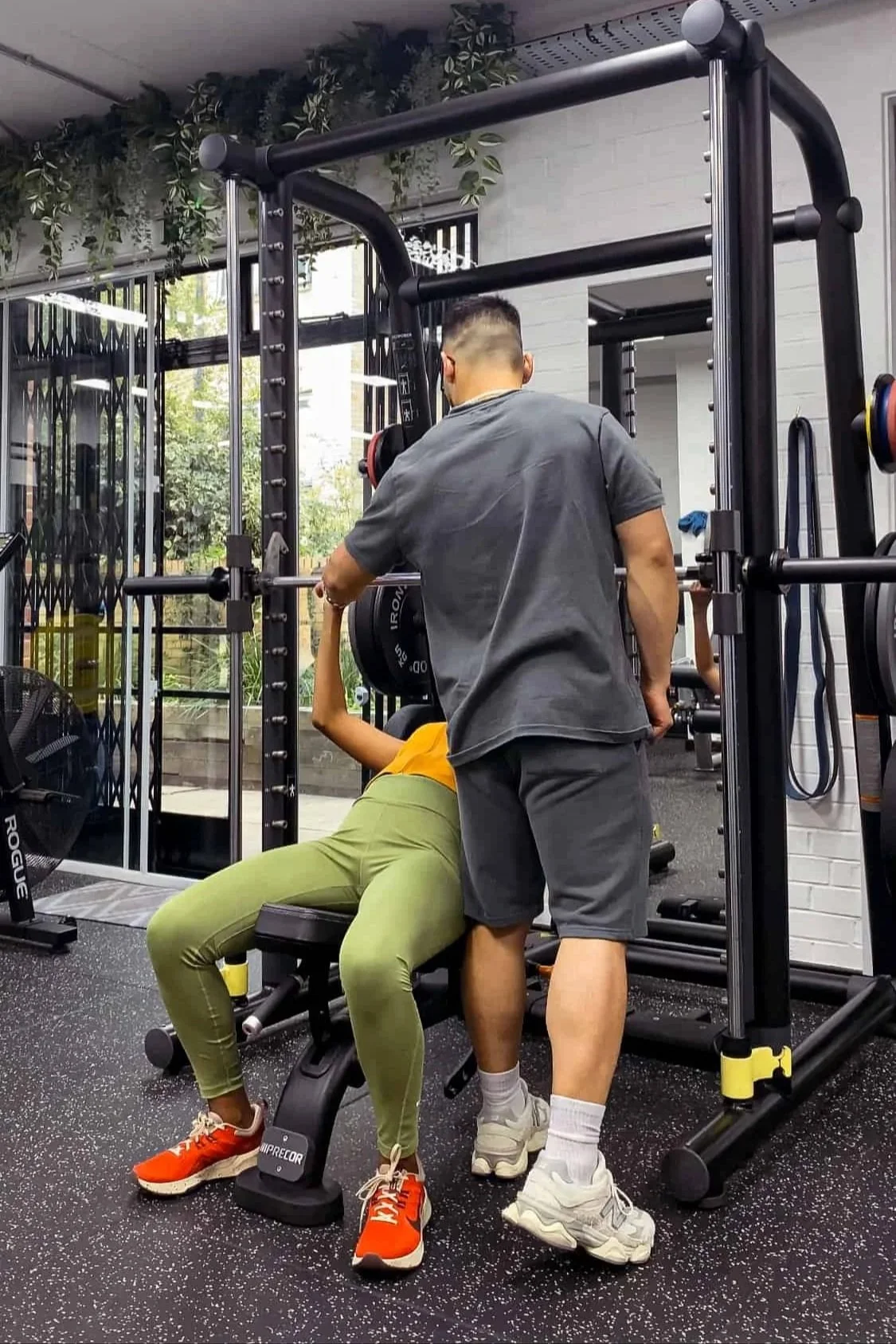
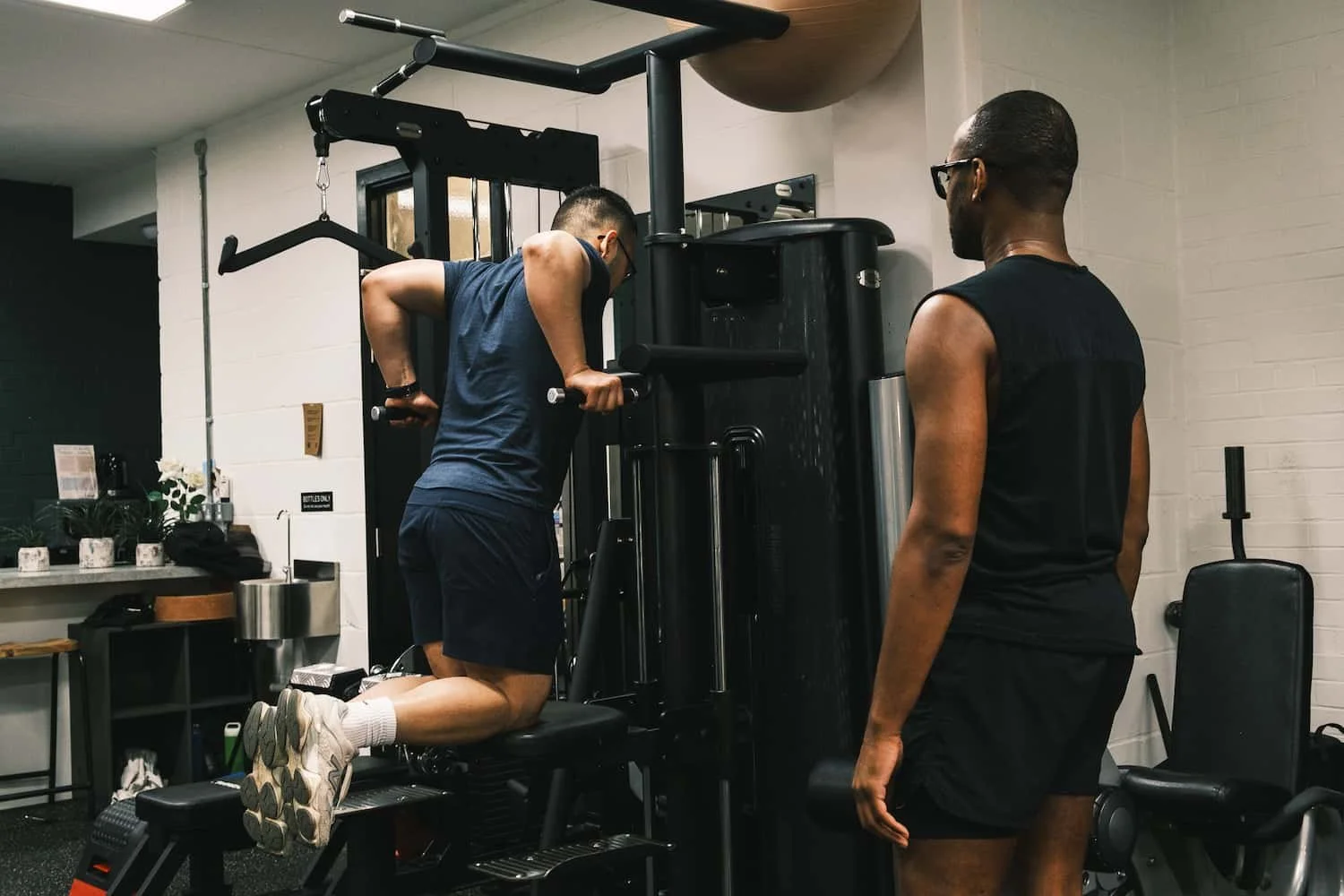
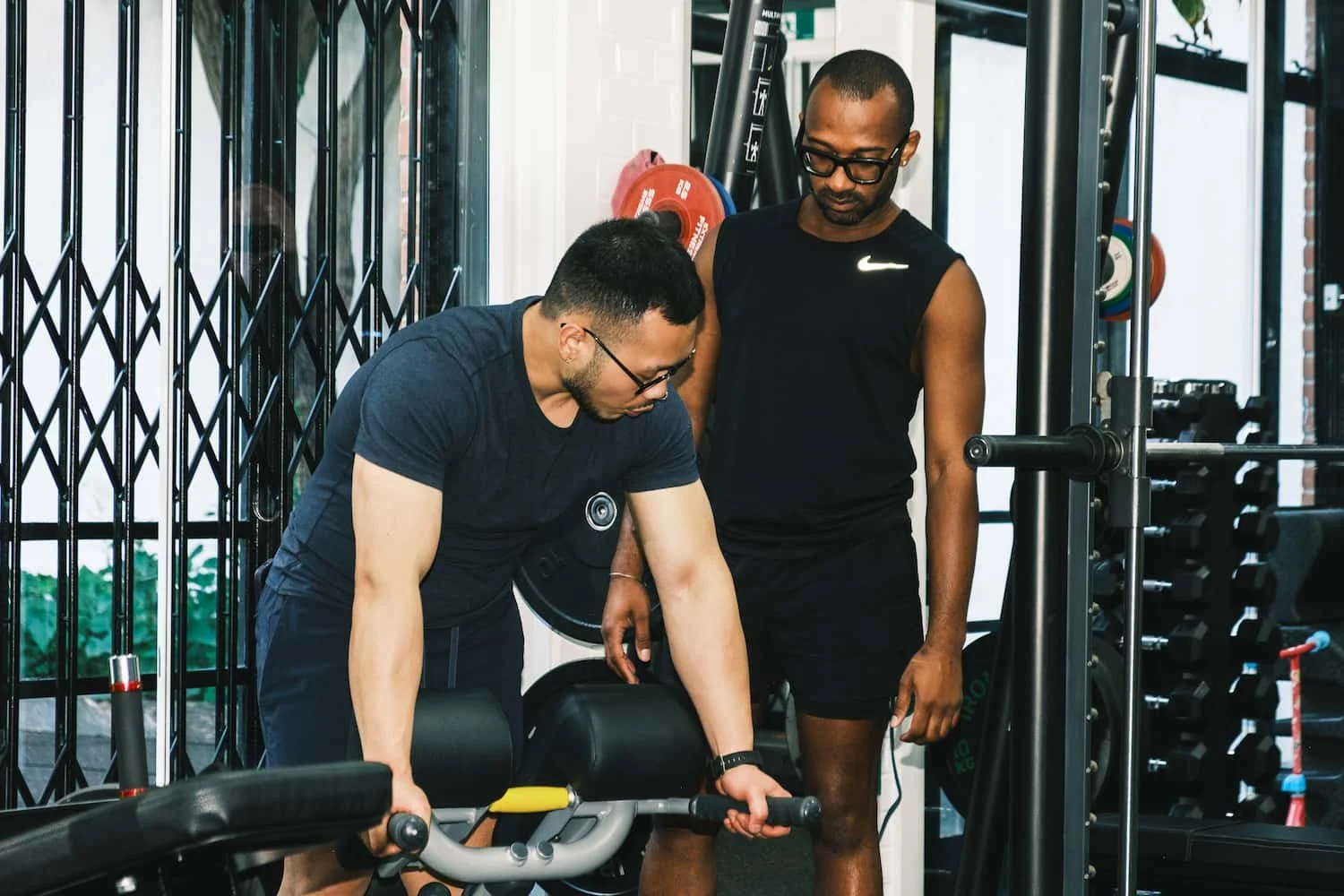
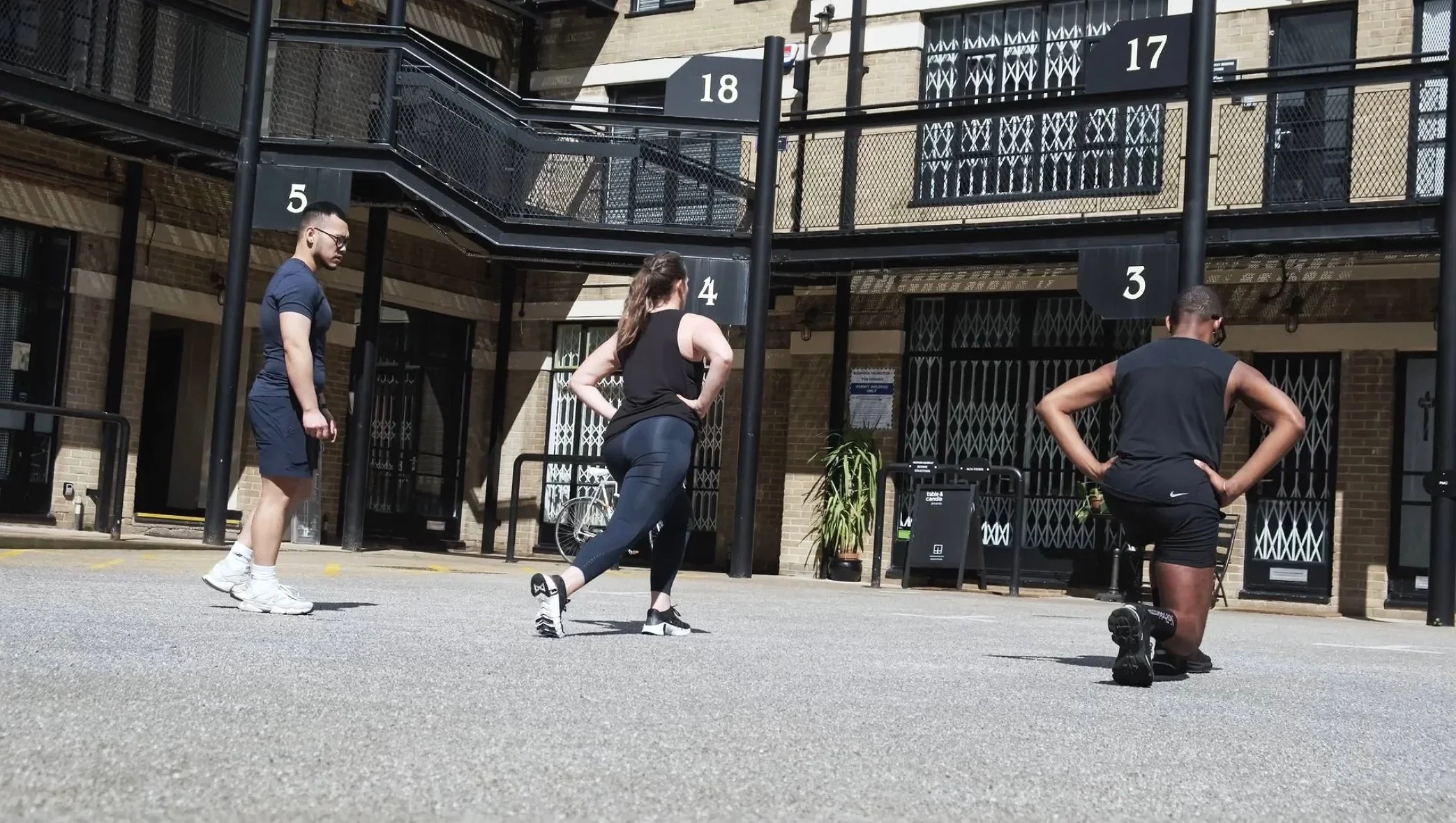
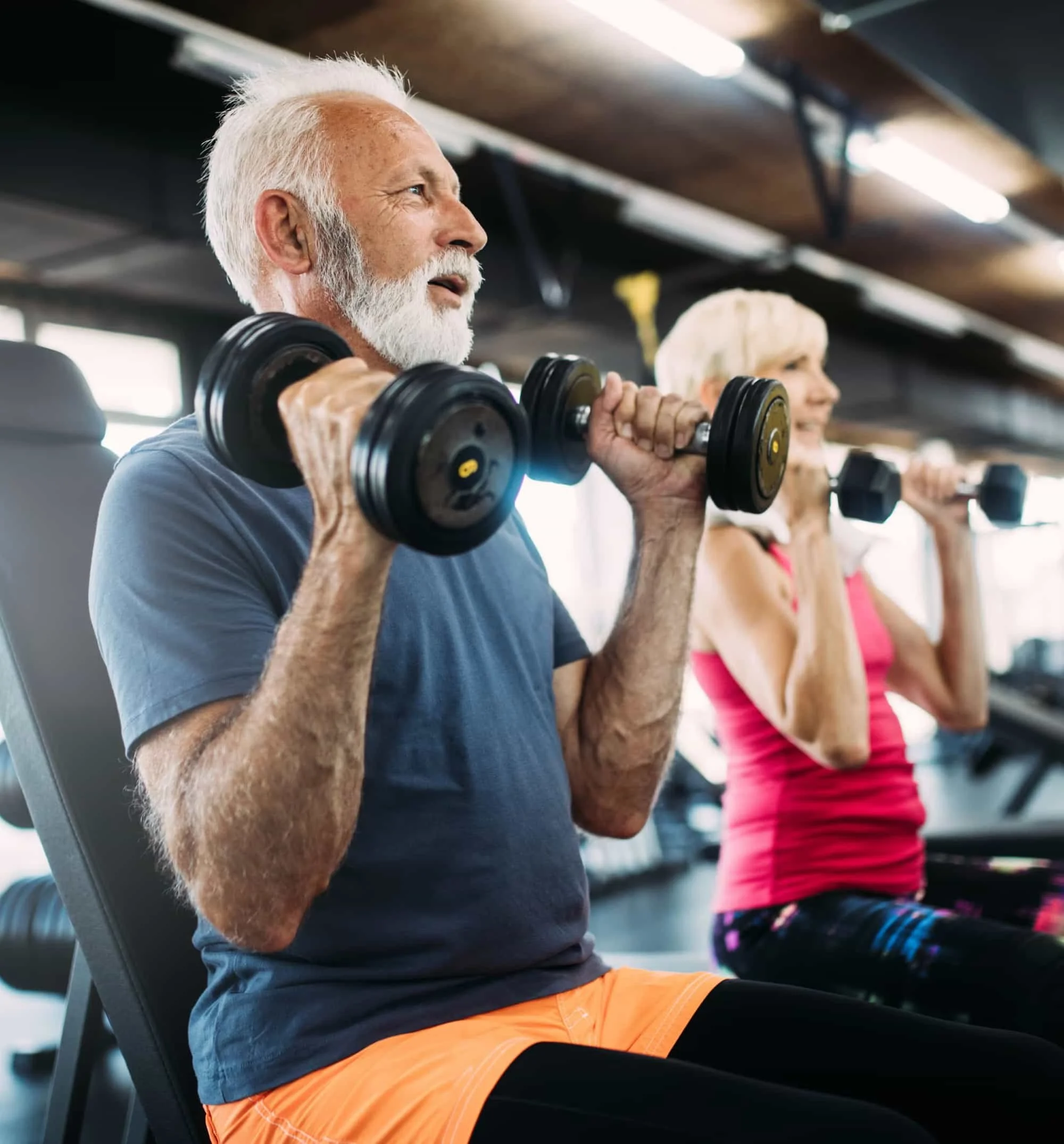
Duo Training is an excellent choice for beginners looking to build strength, improve endurance, and develop proper workout techniques in a supportive environment. With structured programs, expert guidance, and scalable exercises, it helps newcomers progress safely and confidently. Whether your goal is weight loss, muscle gain, or overall fitness, Duo Training offers personalized support to keep you motivated and consistent from day one.
How Myofascial Release Supports Pain-Free Movement
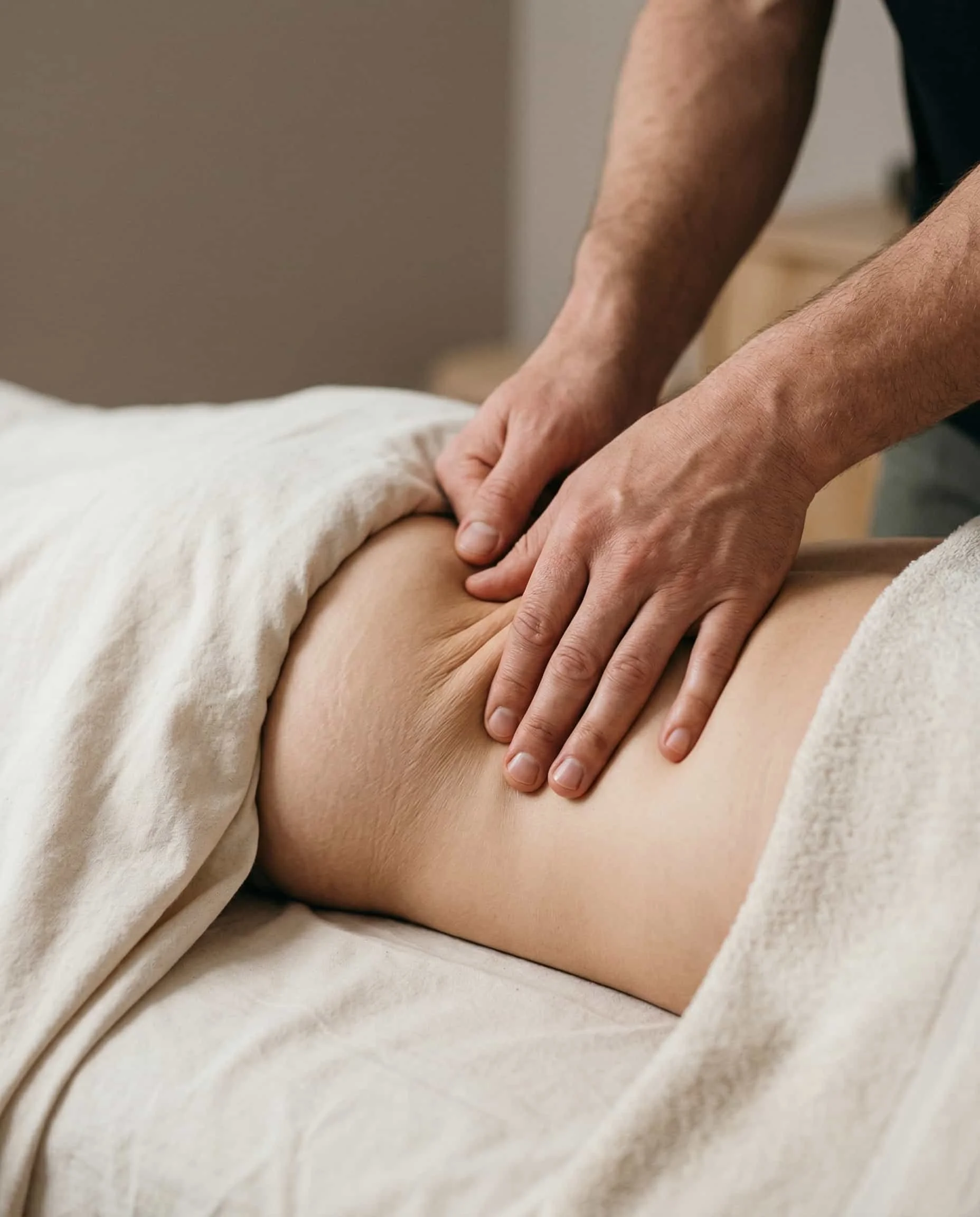
Discover how myofascial release supports pain-free movement by easing muscle tension, improving flexibility, and restoring natural mobility. This gentle, hands-on therapy targets fascia restrictions to reduce chronic pain, enhance circulation, and promote faster recovery. Learn how myofascial release can improve posture, prevent injury, and help you move with greater comfort, balance, and freedom in everyday life and physical activities.
Common Myths About Duo Personal Training
Boost results and motivation with duo personal training. Discover the truth behind common myths, from cost and personalization to fitness levels and progress speed. Learn how training with a partner can increase accountability, make workouts more enjoyable, and deliver customized programs tailored to both individuals. Find out why duo sessions offer flexibility, expert guidance, and effective results for beginners and experienced fitness enthusiasts alike.
Assisted Stretching vs Self-Stretching: What’s the Difference?
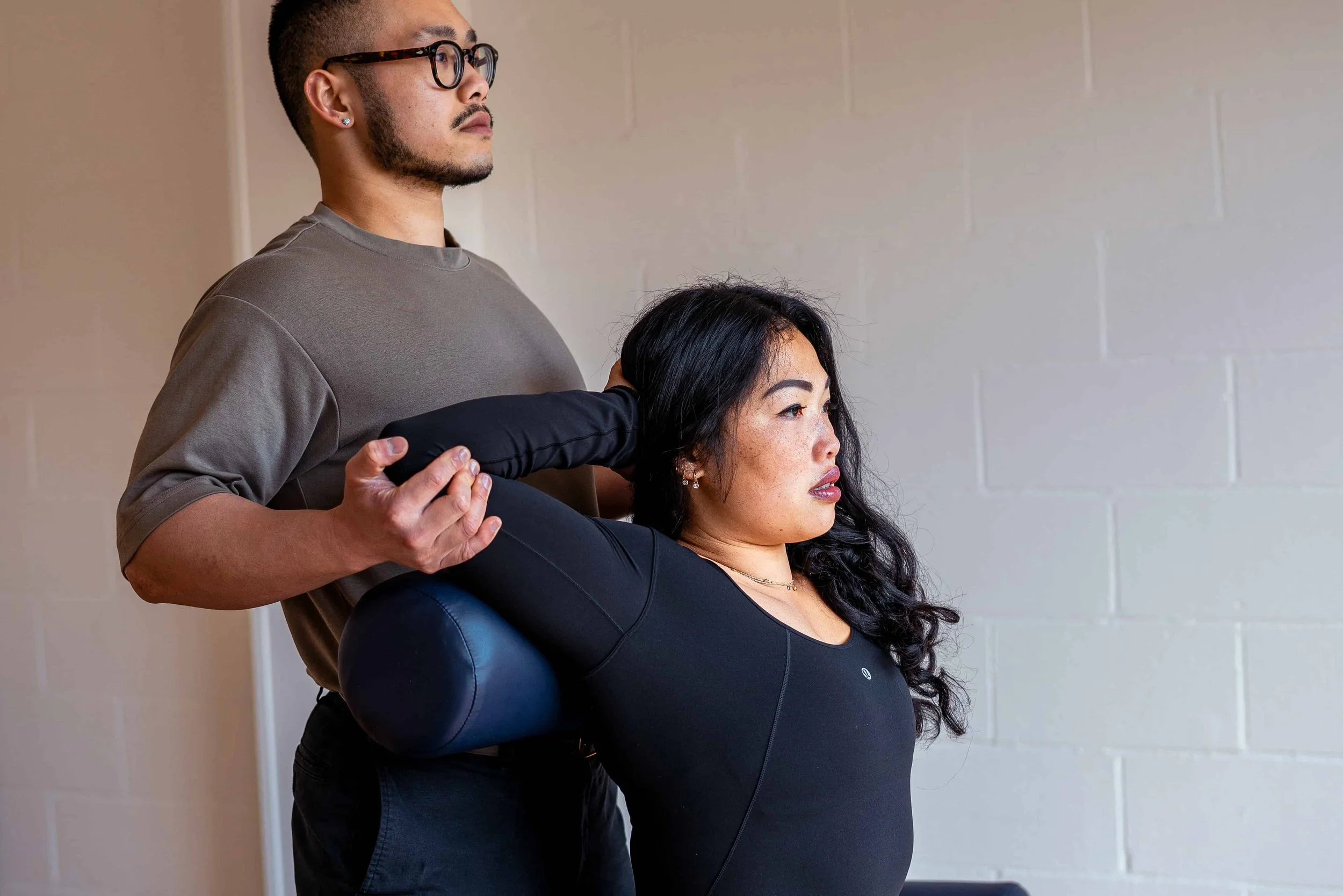
Discover the key differences between assisted stretching and self-stretching, including benefits, techniques, and who each method is best for. Learn how assisted stretching with a trained professional can improve flexibility, reduce injury risk, and enhance recovery, compared to self-guided routines you can perform at home. Find out which stretching approach aligns with your fitness goals and supports better mobility, performance, and overall wellness.
Duo Training vs Group Training: What’s the Real Difference?
Duo training involves two participants working closely with a coach for personalized guidance and shared motivation, while group training includes multiple participants exercising together in a dynamic, team-driven environment. This guide explains the key differences, benefits, and ideal goals for each format, helping you choose the best training style for fitness results, accountability, and overall performance improvement.
What Areas Benefit Most from Myofascial Release?
Myofascial release therapy targets tight fascia to relieve pain and improve mobility in key areas like the neck, shoulders, back, hips, and legs. It is especially beneficial for individuals with chronic pain, sports injuries, poor posture, or muscle stiffness. This gentle, hands-on technique enhances flexibility, reduces tension, boosts circulation, and supports faster recovery, making it an effective option for overall musculoskeletal health and long-term pain management.
Understanding Pressure Levels in Deep Tissue Massage
Explore how pressure levels in deep tissue massage affect muscle tension, pain relief, and recovery. Learn the differences between light, moderate, and intense pressure, how therapists customize techniques, and what to expect during treatment. This guide helps you understand the benefits, safety considerations, and how the right pressure can enhance relaxation, improve circulation, and support overall wellness for lasting therapeutic results.
Deep Tissue Massage for Training-Induced Muscle Stress
Relieve training-induced muscle stress with deep tissue massage designed to target tension, improve circulation, and speed up recovery. This therapeutic technique helps reduce soreness, enhance flexibility, and prevent injury by focusing on deeper muscle layers. Ideal for athletes and active individuals, deep tissue massage supports faster healing, better performance, and long-term muscle health so you can stay strong, balanced, and ready for your next workout.
Why Recovery Matters More When You Train Together
Recovery is the foundation of sustainable progress, especially when you train together as a team. When athletes or workout partners push their limits, proper rest, nutrition, and active recovery become essential for preventing injuries and maintaining peak performance. Prioritizing recovery strengthens muscles, restores energy, and improves overall endurance, allowing everyone to show up stronger for the next session. Training partners who value recovery build better accountability, motivation, and long-term results. From sleep quality to stretching routines, recovery strategies help teams stay consistent and avoid burnout. Discover why smart recovery habits can enhance performance, boost resilience, and maximize the benefits of group training experiences.
Does Cupping Therapy Help with Training Plateaus?
Does cupping therapy help with training plateaus? Learn how cupping therapy may support muscle recovery, reduce soreness, and improve mobility so you can push past fitness plateaus safely and effectively.
Best Recovery Options for Duo Training Clients
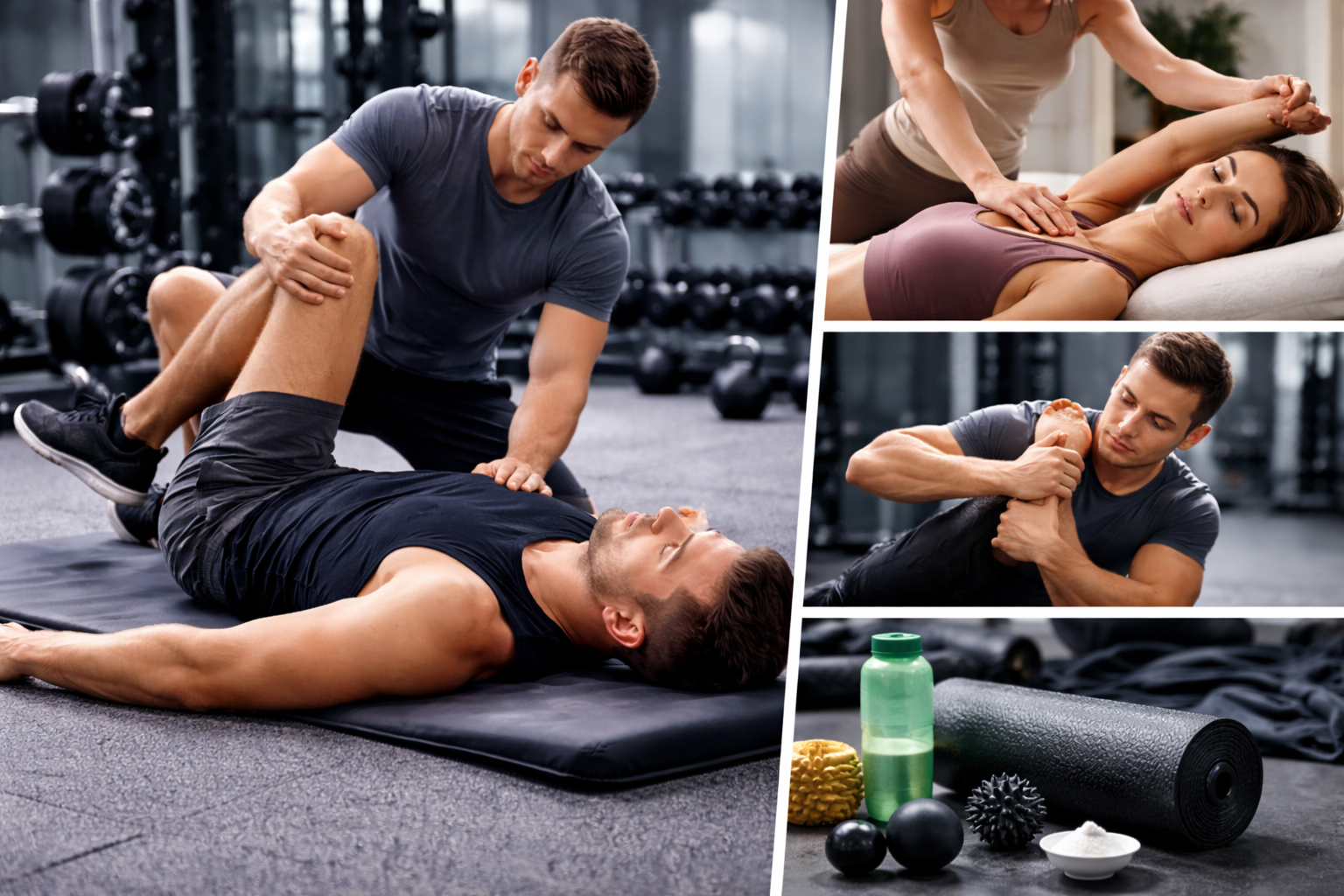
Discover the best recovery options for duo training clients to maximise performance and prevent injury. This professional guide covers essential recovery strategies including active rest, nutrition, hydration, sleep optimisation, mobility work, soft tissue therapies, and personalised cooldown protocols. Ideal for trainers and clients working in pairs, these evidence-based methods support improved adaptation, reduced muscle soreness, and long-term progress. Learn how A Fitness integrates effective recovery practices into duo sessions for balanced, sustainable training success.
Cupping Therapy for Muscle Adhesions and Knots
Discover how cupping therapy for muscle adhesions and knots can support recovery, reduce pain, and improve mobility. Whether you’re an athlete, fitness enthusiast, or someone seeking relief from persistent muscle tension, learn how cupping fits into a holistic approach to muscle health. In this article, we explore what cupping therapy is, how it works, its role in treating muscle adhesions and knots, the benefits and limitations, and how to incorporate it safely into your wellness routine.
Cupping Therapy for Training Partners: Is It Effective?
Cupping therapy has become increasingly popular among athletes and training partners as a recovery and performance support method. This article explores whether cupping therapy is effective for training partners, examining how it works, its potential benefits, and what current scientific research says about muscle recovery, pain reduction, and circulation. Learn about the different types of cupping therapy, how it may support post-training recovery, and the limitations to consider before use.
Shared Sports Massage Sessions: Benefits and Limitations
Discover the benefits and limitations of shared sports massage sessions for athletes and fitness enthusiasts. Learn how shared massage can improve recovery, reduce muscle soreness, boost performance, and provide a cost-effective alternative to one-to-one therapy. Explore considerations like personalisation, privacy, and group dynamics, and understand who can benefit most from this approach. At A Fitness, we offer expert guidance and tailored advice to help you choose the right massage option, supporting your training goals, wellness, and overall physical performance.
What Is Duo Training and How Is It Different from Personal Training?
In recent years, fitness trends have evolved to offer more flexible and inclusive ways to exercise. Two popular forms of guided fitness are duo training and personal training. Although both involve professional support, they differ in structure, cost, and experience. In this article, we explain what duo training is, how it compares with personal training, and how you can decide which option suits your fitness journey. We also provide insight into how A Fitness supports both training styles to help clients achieve lasting results.
How Assisted Stretching Fits Into Recovery Programme
Assisted stretching plays a key role in an effective recovery programme. Learn how it improves flexibility, reduces muscle tension, supports injury prevention, and enhances performance. In this article, we explore how assisted stretching fits into a recovery programme, its benefits, when to include it, and why it matters for your overall performance. Discover why integrating assisted stretching into your recovery plan with A Fitness can help you feel better, train smarter, and stay resilient.
Is Suction Cup Therapy Safe? Benefits and Risks Explained
Discover whether suction cup therapy is safe and learn about its benefits and risks in this clear, evidence‑based guide. Suction cup therapy, also known as cupping, has become popular for pain relief, improved circulation, and muscle recovery. We explain how it works, what the science says, potential side effects, and who should avoid it.
How Suction Cup Therapy Improves Blood Flow and Mobility
Discover how suction cup therapy can improve blood flow, enhance mobility, and reduce muscle tension. Learn the science behind this ancient technique and how A Fitness incorporates safe, effective therapy to support overall health and wellness.
Cupping Therapy vs Massage: Which Is Right for You?
Cupping therapy and massage are two popular bodywork techniques used for pain relief, stress reduction, and improved wellbeing. This comprehensive guide compares cupping therapy vs massage, helping you choose the right option for your needs. Learn benefits, differences, and when to seek professional care with A Fitness.
Cupping Therapy Explained: Benefits, Uses, and What to Expect
Cupping therapy is a traditional treatment used to relieve pain, improve circulation, and support recovery. Learn about its benefits, uses, and what to expect from a cupping therapy session.
