

The Journal: training after injury, explained
Practical advice on rebuilding strength after injury, surgery or physio, training well after 60, and choosing the right coach. Written by Alexander Khang, ISRM Level 5 Soft Tissue Therapist and founder of A Fitness in Angel, Islington.
Start here · Rehab and injury
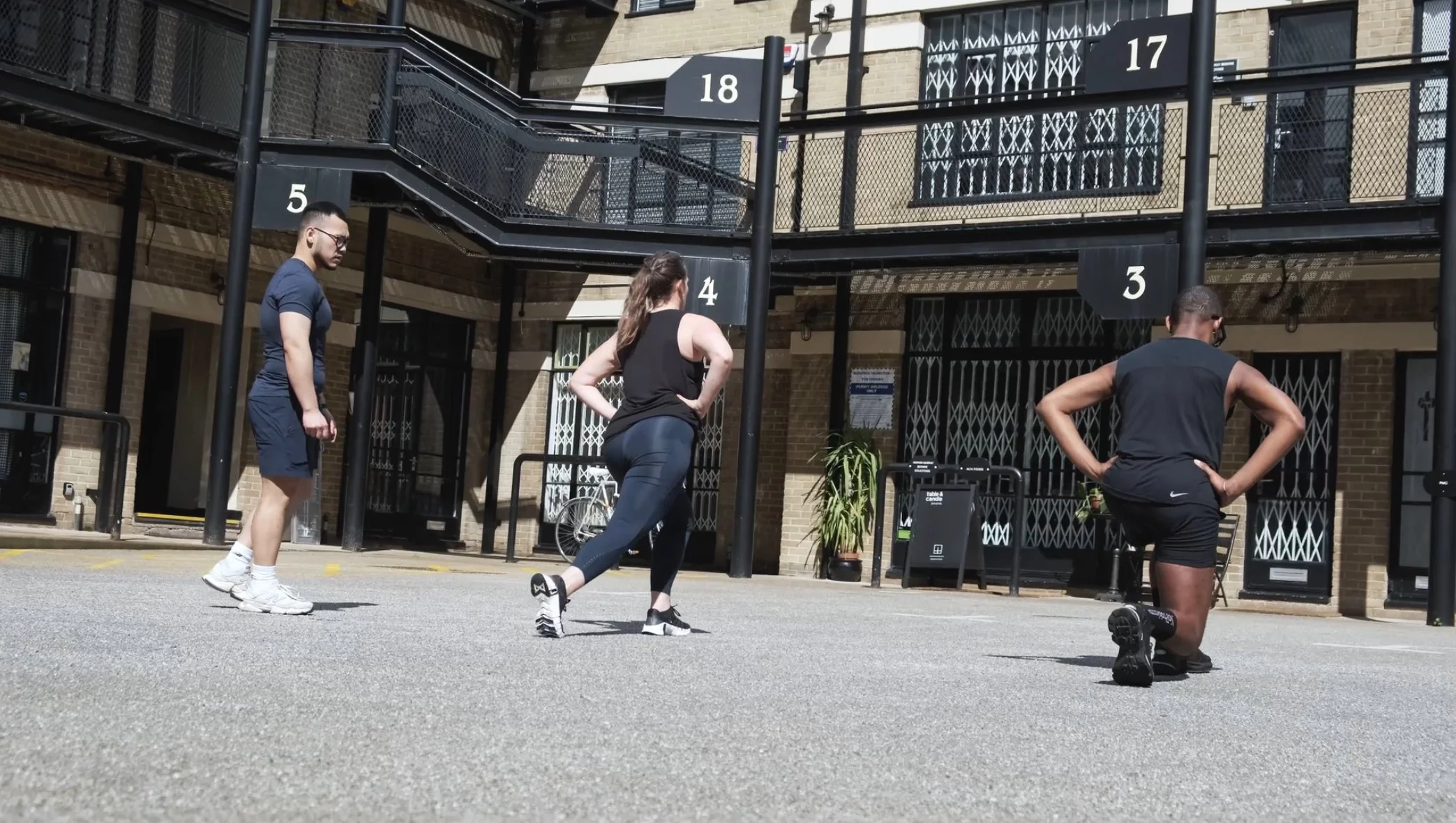
Rehab-Led Personal Training: What It Means and Why It Matters After Injury
The gap between physio discharge and full training is where most injuries come back. Here's what rehab-led training does differently, and who it's for.
Read the articleLatest articles


Is Duo Training Good for Beginners?
Duo Training is an excellent choice for beginners looking to build strength, improve endurance, and develop proper workout techniques in a supportive environment. With structured programs, expert guidance, and scalable exercises, it helps newcomers progress safely and confidently. Whether your goal is weight loss, muscle gain, or overall fitness, Duo Training offers personalized support to keep you motivated and consistent from day one.

Common Myths About Duo Personal Training
Boost results and motivation with duo personal training. Discover the truth behind common myths, from cost and personalization to fitness levels and progress speed. Learn how training with a partner can increase accountability, make workouts more enjoyable, and deliver customized programs tailored to both individuals. Find out why duo sessions offer flexibility, expert guidance, and effective results for beginners and experienced fitness enthusiasts alike.

Assisted Stretching vs Self-Stretching: What’s the Difference?
Discover the key differences between assisted stretching and self-stretching, including benefits, techniques, and who each method is best for. Learn how assisted stretching with a trained professional can improve flexibility, reduce injury risk, and enhance recovery, compared to self-guided routines you can perform at home. Find out which stretching approach aligns with your fitness goals and supports better mobility, performance, and overall wellness.

Duo Training vs Group Training: What’s the Real Difference?
Duo training involves two participants working closely with a coach for personalized guidance and shared motivation, while group training includes multiple participants exercising together in a dynamic, team-driven environment. This guide explains the key differences, benefits, and ideal goals for each format, helping you choose the best training style for fitness results, accountability, and overall performance improvement.

What Areas Benefit Most from Myofascial Release?
Myofascial release therapy targets tight fascia to relieve pain and improve mobility in key areas like the neck, shoulders, back, hips, and legs. It is especially beneficial for individuals with chronic pain, sports injuries, poor posture, or muscle stiffness. This gentle, hands-on technique enhances flexibility, reduces tension, boosts circulation, and supports faster recovery, making it an effective option for overall musculoskeletal health and long-term pain management.
Understanding Pressure Levels in Deep Tissue Massage
Explore how pressure levels in deep tissue massage affect muscle tension, pain relief, and recovery. Learn the differences between light, moderate, and intense pressure, how therapists customize techniques, and what to expect during treatment. This guide helps you understand the benefits, safety considerations, and how the right pressure can enhance relaxation, improve circulation, and support overall wellness for lasting therapeutic results.

Why Recovery Matters More When You Train Together
Recovery is the foundation of sustainable progress, especially when you train together as a team. When athletes or workout partners push their limits, proper rest, nutrition, and active recovery become essential for preventing injuries and maintaining peak performance. Prioritizing recovery strengthens muscles, restores energy, and improves overall endurance, allowing everyone to show up stronger for the next session. Training partners who value recovery build better accountability, motivation, and long-term results. From sleep quality to stretching routines, recovery strategies help teams stay consistent and avoid burnout. Discover why smart recovery habits can enhance performance, boost resilience, and maximize the benefits of group training experiences.


Ready to put it into practice?
Tell us what you want to get back to. We'll tell you honestly where to start.
★★★★★ Rated 5.0 from 67 Google reviews · 144 Liverpool Rd, London N1 1LA