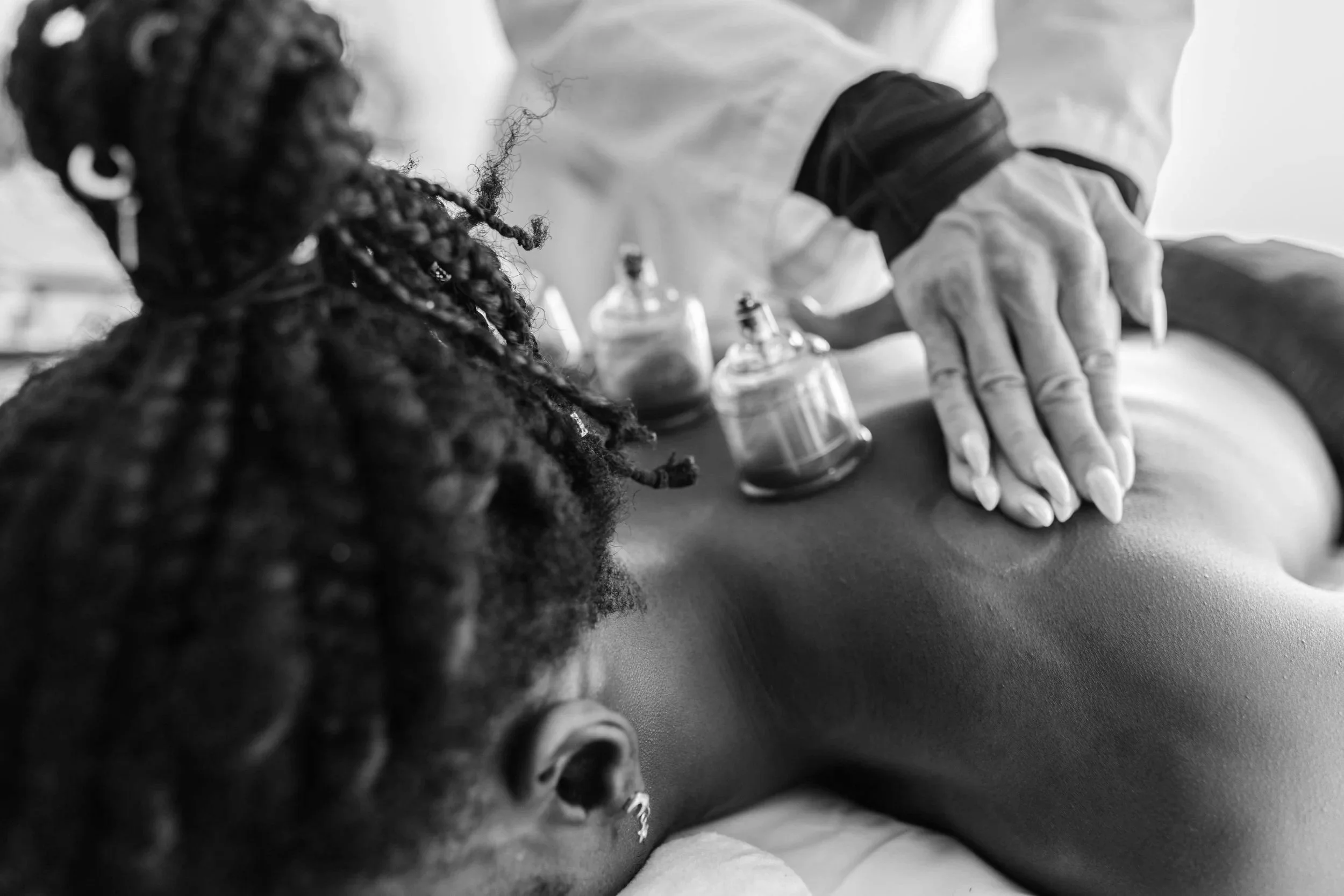
Cupping Therapy in London
Cupping therapy is a targeted therapeutic technique used to reduce muscle tension, improve movement, and support recovery from training, stress, and pain. Delivered by experienced practitioners, each session is guided by assessment and integrated into a wider recovery or performance plan.
This is clinical cupping therapy used to support function and recovery, not a wellness trend or cosmetic treatment.
What is cupping therapy
Cupping therapy involves the application of specialised cups to the skin to create negative pressure. This gently lifts the underlying tissue, encouraging increased blood flow, reducing muscular restriction, and improving tissue mobility.
In a therapeutic setting, cupping is used to support pain reduction, restore movement quality, and complement hands on manual therapy and strength based rehabilitation.
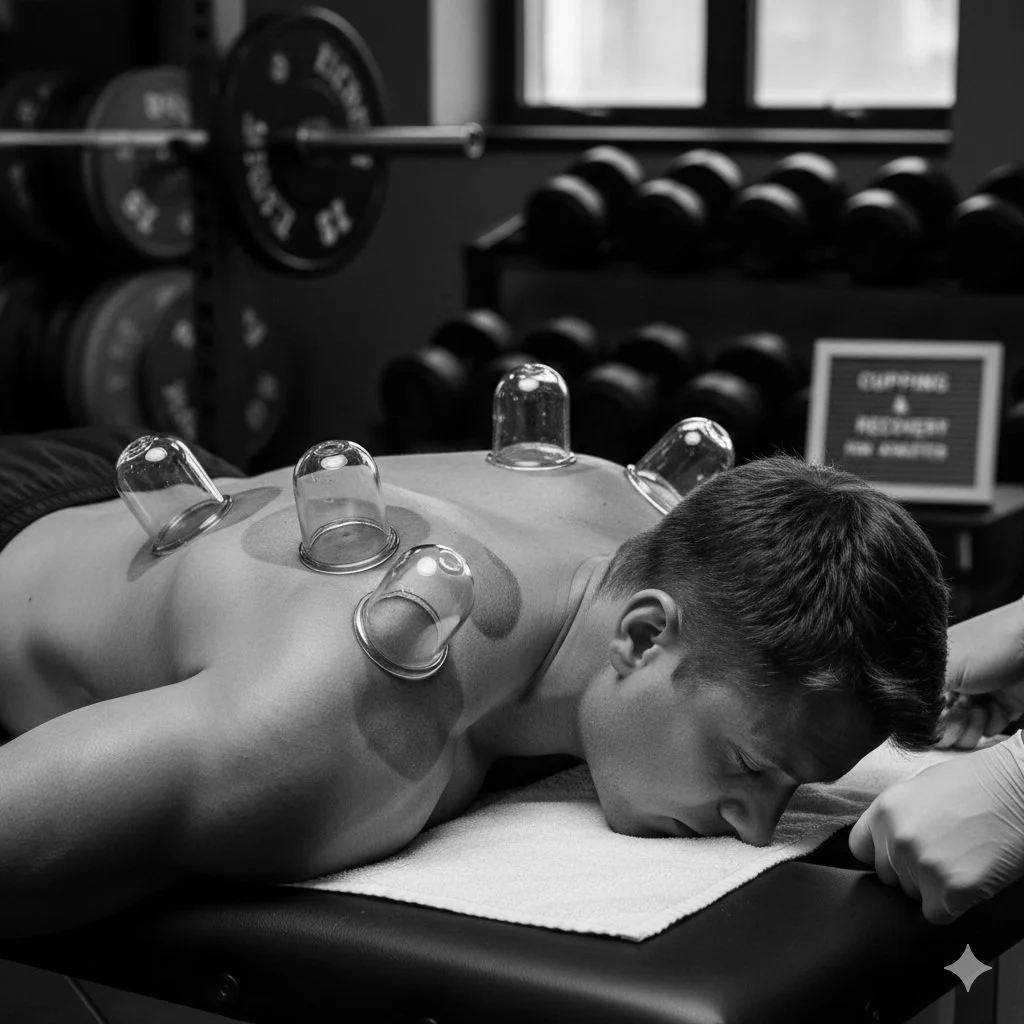
Benefits of cupping therapy
Cupping therapy may help reduce muscle tightness and restriction, improve movement and range of motion, support recovery between training sessions, and alleviate localized discomfort and stiffness, while also complementing rehabilitation and manual therapy; benefits vary by individual and are assessed on a case‑by‑case basis.
Conditions cupping therapy is commonly used for
Cupping therapy is commonly used to address muscle tightness and overuse in areas such as the shoulders, back, hips, and calves, which often become restricted through training or prolonged sitting. It can also support recovery during periods of high training load by helping manage training related soreness and fatigue, and may be used to improve tissue mobility when stiffness limits movement quality or exercise performance. Cupping therapy is not a replacement for medical treatment, and suitability is always assessed before use.
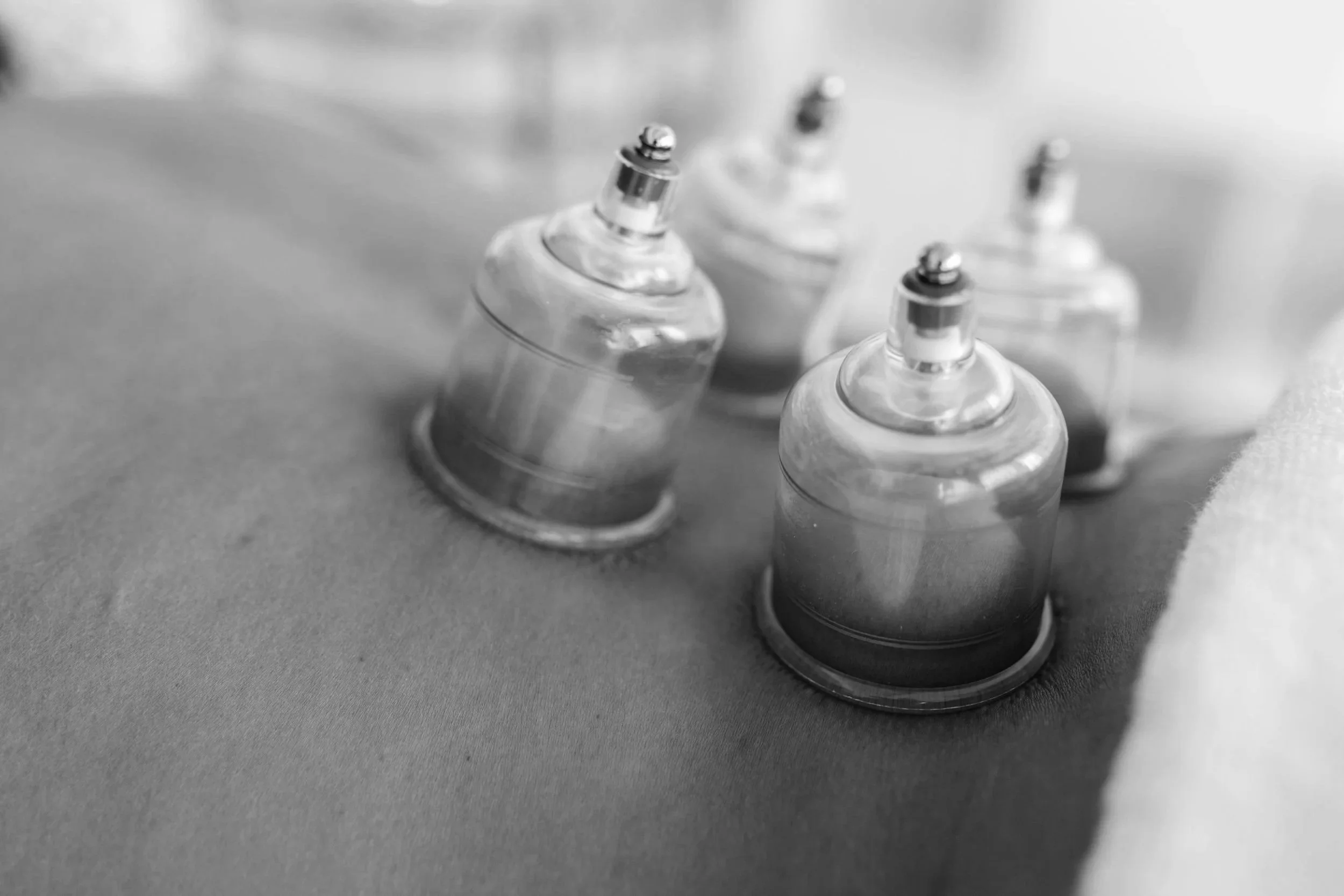
What to expect in a cupping therapy session
Each session begins with a brief assessment to understand your symptoms, training history, and movement patterns.
Cups are applied to targeted areas and may be left static or moved gently depending on the intended outcome. Sensations vary but should remain tolerable throughout.
Temporary marks are common and typically fade within a few days. Aftercare guidance is provided to support recovery.
Sessions take place in a private, professional environment in London.
How cupping therapy works
Unlike techniques that apply downward pressure, cupping lifts the tissue. This can reduce compression in tight or overworked areas and allow muscles to move more freely.
Targeted tissue decompression
By increasing local blood flow, cupping therapy can support tissue recovery and help manage training related soreness or stiffness.
Improved circulation and recovery
Cupping is most effective when used alongside sports massage, assisted stretching, and strength training rather than as a standalone treatment.
Integration with movement
Note: Cupping therapy is not a replacement for medical treatment and suitability is always assessed before use.
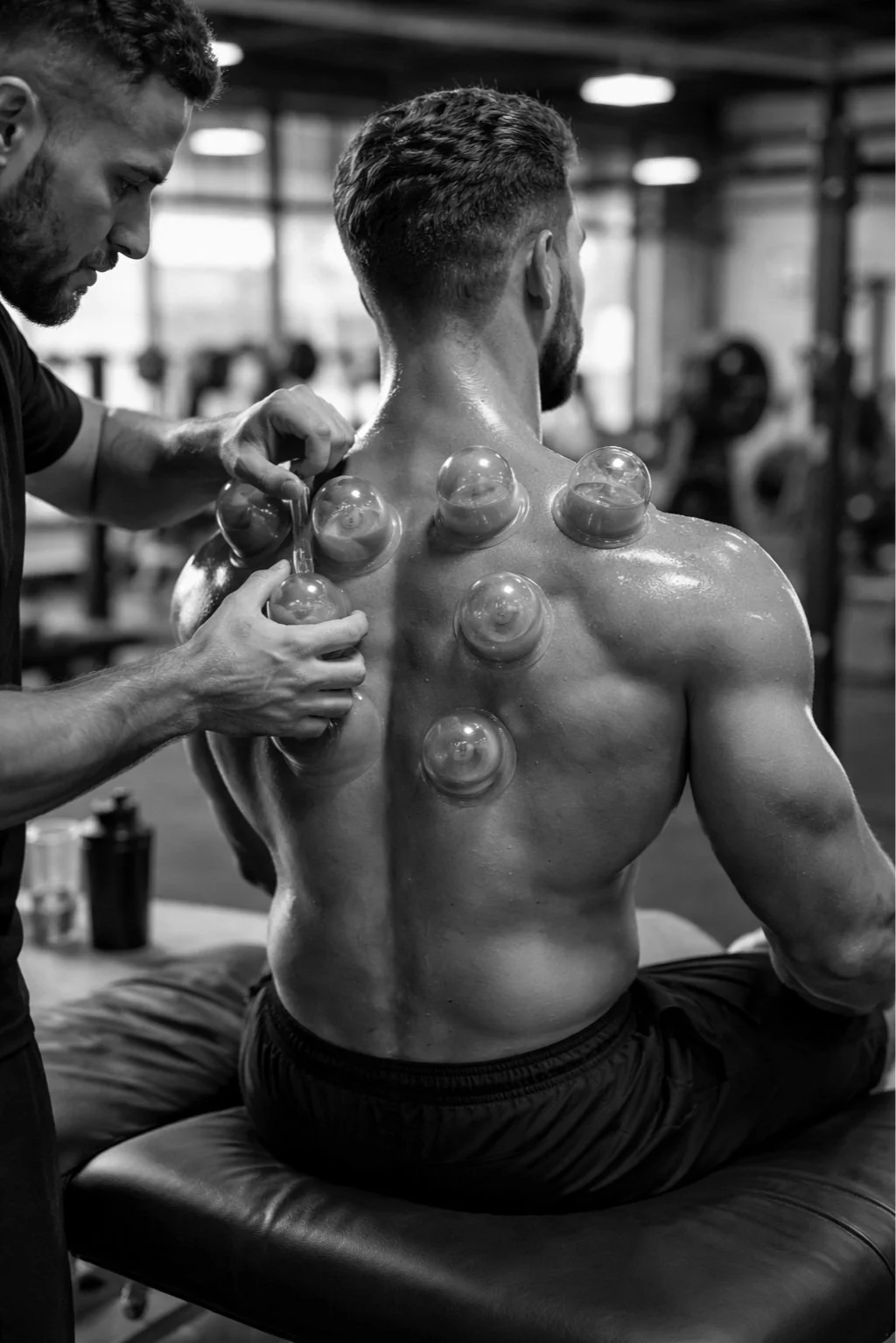
Cupping therapy pricing and positioning
Cupping therapy is offered as part of a premium therapeutic service, delivered by trained practitioners with expertise in movement, rehabilitation, and recovery.
Pricing reflects:
• Individual assessment and clinical reasoning
• Professional application of cupping techniques
• Integration with manual therapy and training where appropriate
• Private treatment environment in London
If tightness persists after cupping therapy, myofascial release can serve as a complementary treatment to further restore tissue mobility and reduce restriction.
FAQs
Is cupping therapy painful
Cupping should not be painful, though you may feel strong pressure or pulling. Intensity is adjusted throughout the session.
How many sessions are needed
Frequency depends on your goals. Some clients benefit from weekly sessions, while others integrate assisted stretching alongside training as needed.
Will cupping leave marks
Temporary circular marks are common and usually fade within several days. This is a normal response and not bruising.
Is cupping therapy safe
When applied by trained practitioners, cupping therapy is safe. Suitability is always assessed beforehand.